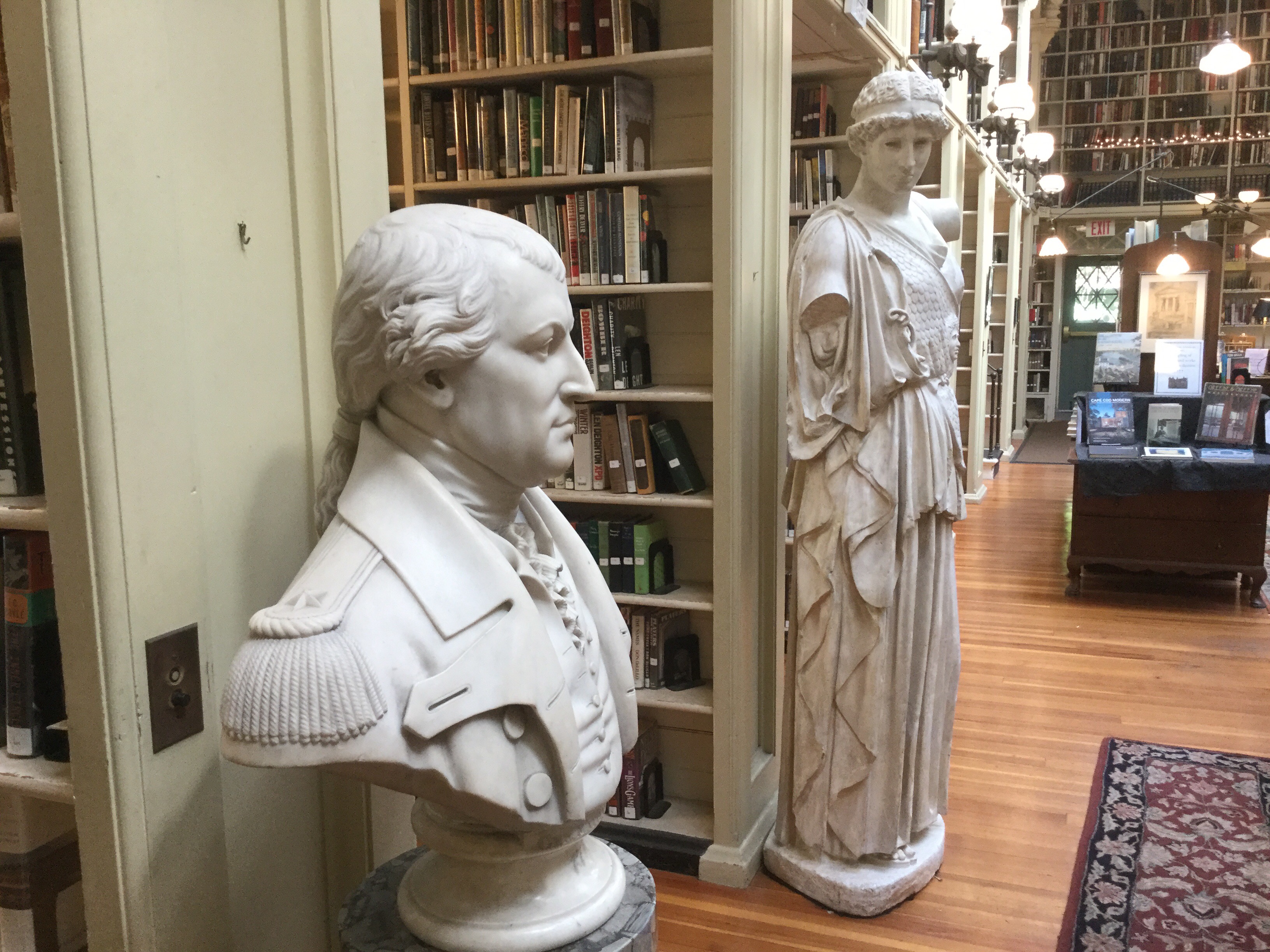
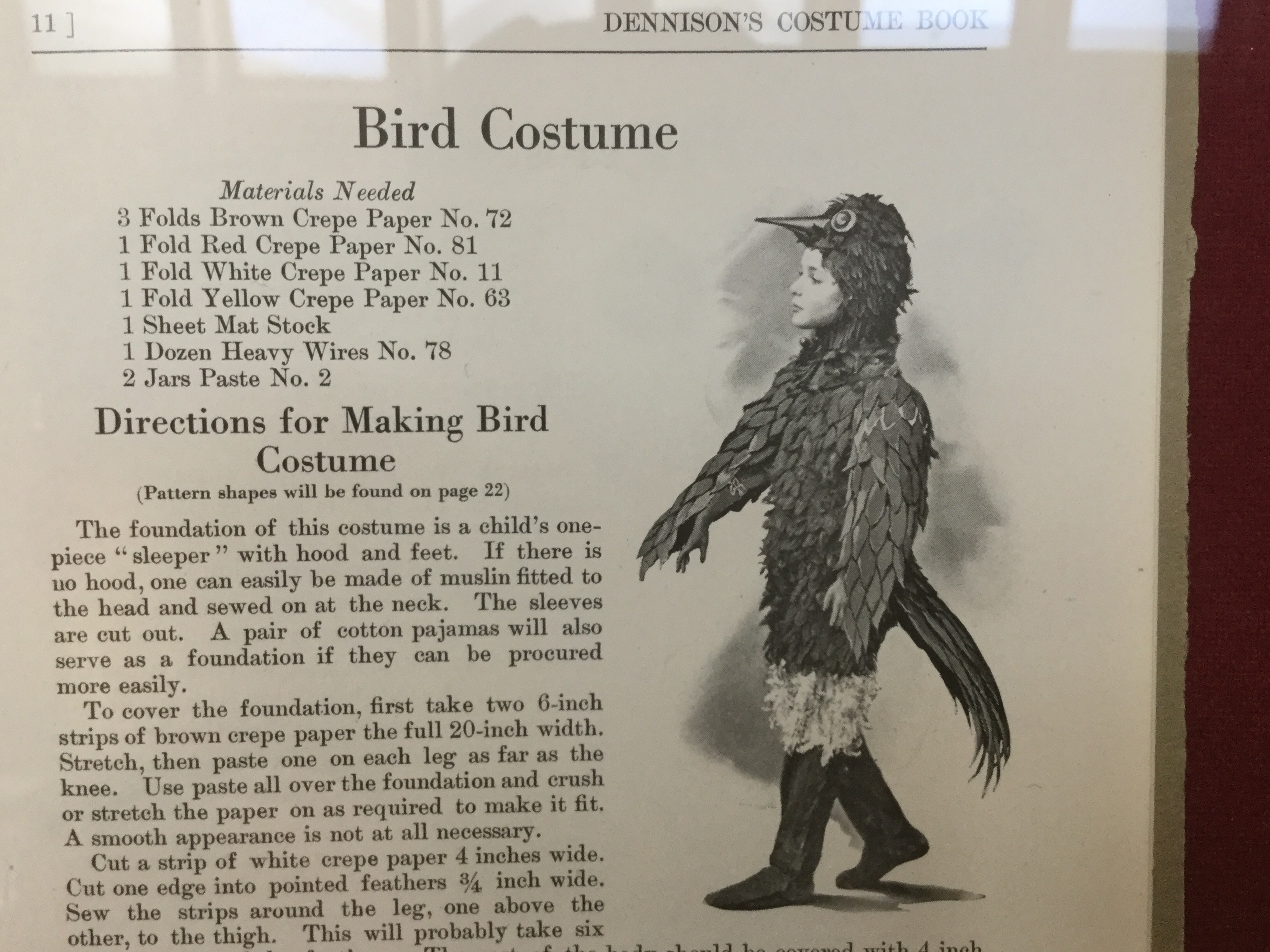
This blog is a description of our two week visit during mid to late October to the New England. Our trip started with two nights in Providence, RI recovering from a long day of travel, visiting with Dorothy’s aunt and cousins and touring the sites. Providence has lots of interesting history and old architecture. We spent quite a bit of time in the Providence Athenaeum which is a member supported library founded in 1836. There are lots of old books, several sculptures/paintings of influential historic New Englanders, displays of historic volumes relevant to the current season and a card catalog that has many handwritten card entries from the 1800’s.

Our first stop after leaving Rhode Island was in Portland, Maine and nearby Cape Elizabeth. Portland, Maine’s largest city, is known for good food and an abundance of craft beer. We indulged in both. The coastline near Cape Elizabeth has lots of schist bedrock that resembles wood. From Portland we headed west to Lovell, ME, near the White Mountains, where we visited friends and relished the fall color.


From quiet rural Lovell we went to Barr Harbor to explore Acadia National Park. Enroute to Barr Harbor we spent a few hours exploring the Schoodic Peninsula which is located about 10 miles to the east across Frenchman Bay from most of the park which is located on Mt Desert Island.


Our Airbnb accommodation in Barr Harbor had an eclectic, international theme with three guest rooms sharing the house with our host and over 4000 books. In addition to us there were two people from Seattle and a couple from Australia. Barr Harbor is a busy tourist town regularly visited by cruise ships and inundated by thousands of tourists in vehicles. Fortunately the town was quiet because many businesses close after Columbus Day. We spent most of an afternoon riding bikes on the carriage roads which include 45 miles of gravel surfaced mostly hand built roads that were constructed by the Rockefellers between 1913 and 1940 as a private non-motorized alternative to the public road system crowded with tourists driving vehicles. The National Park Service allows hikers, bikes and horses to use the carriage roads. We rode about 20 miles in a couple of hours on bikes we rented and encountered only a handfull of other bikers and hikers on a quiet misty weekday.


On our last day at the park it cleared and we spent several hours exploring the coastline, hiking and driving up to Cadillac Mountain which is the highest point in Acadia NP.


From Barr Harbor we drove south to spend a couple of nights in Rockland.
 We viewed our first sunrise over the Atlantic from the dock at Rockland, Maine. It was pretty cool and definitely worth getting up for.


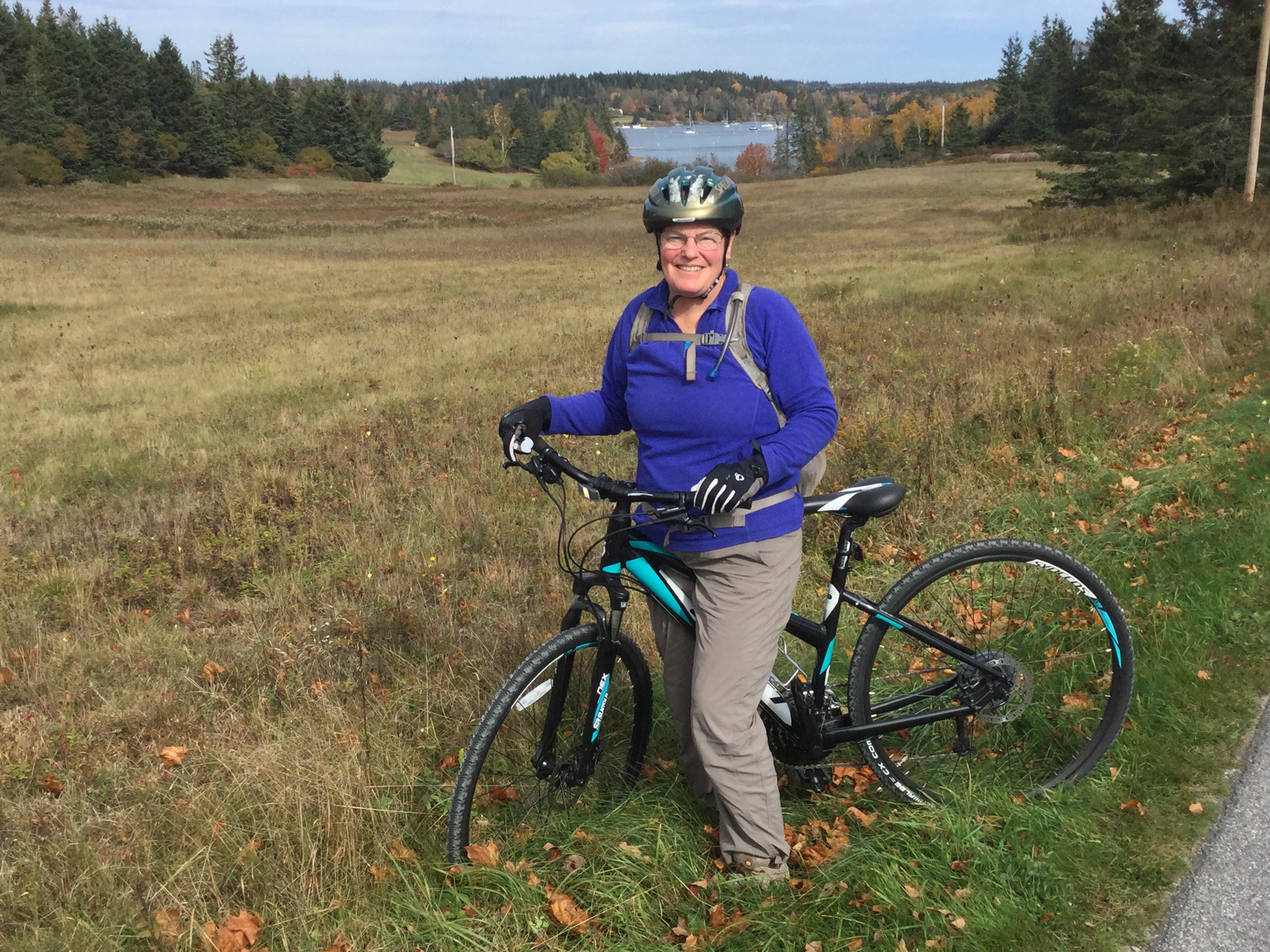
We rented one bike and borrowed another from our Airbnb host to take on the ferry to and spend the day on Vinalhaven Island only to discover that the ferry we wanted was cancelled due to a medical emergency. Rather than wait 2 hours for the next ferry to Vinalhaven Island we decided to take one to North Haven Island which, with a population of 355, is much smaller and very friendly.
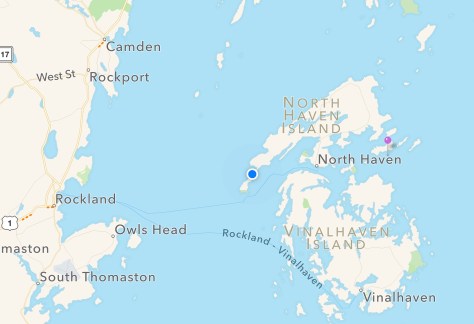
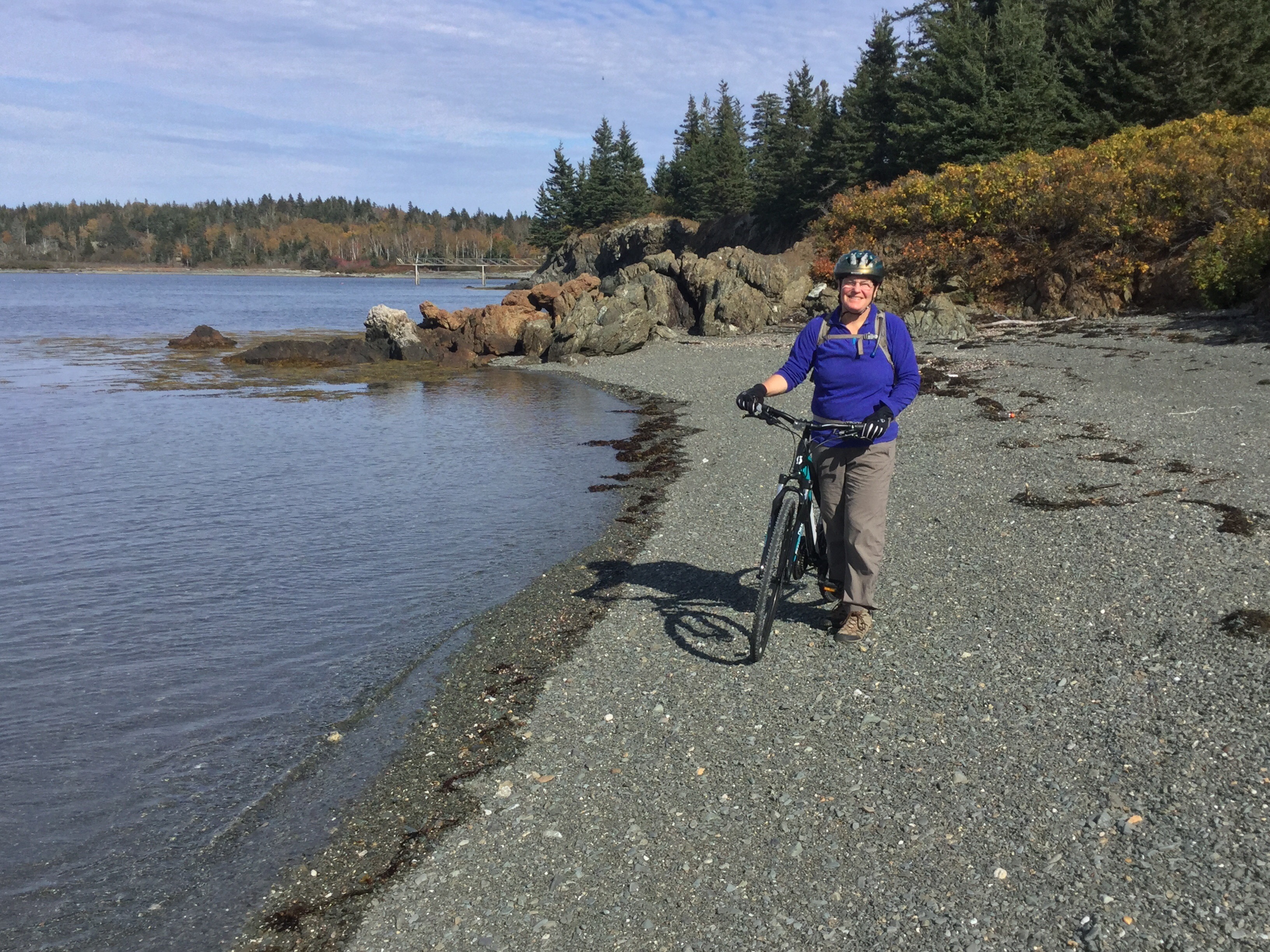
The economy on North Haven Island is primarily lobster fishing with some artists and various entrepreneurs trying to make a living off of summer tourists. We rode the bikes about 20 miles all over the island, visiting a farm, hiking, exploring and chatting it up with local who suggested places to check out. The welcome we received from these people was amazing, we felt like we were leaving old friends by the time we left the island.


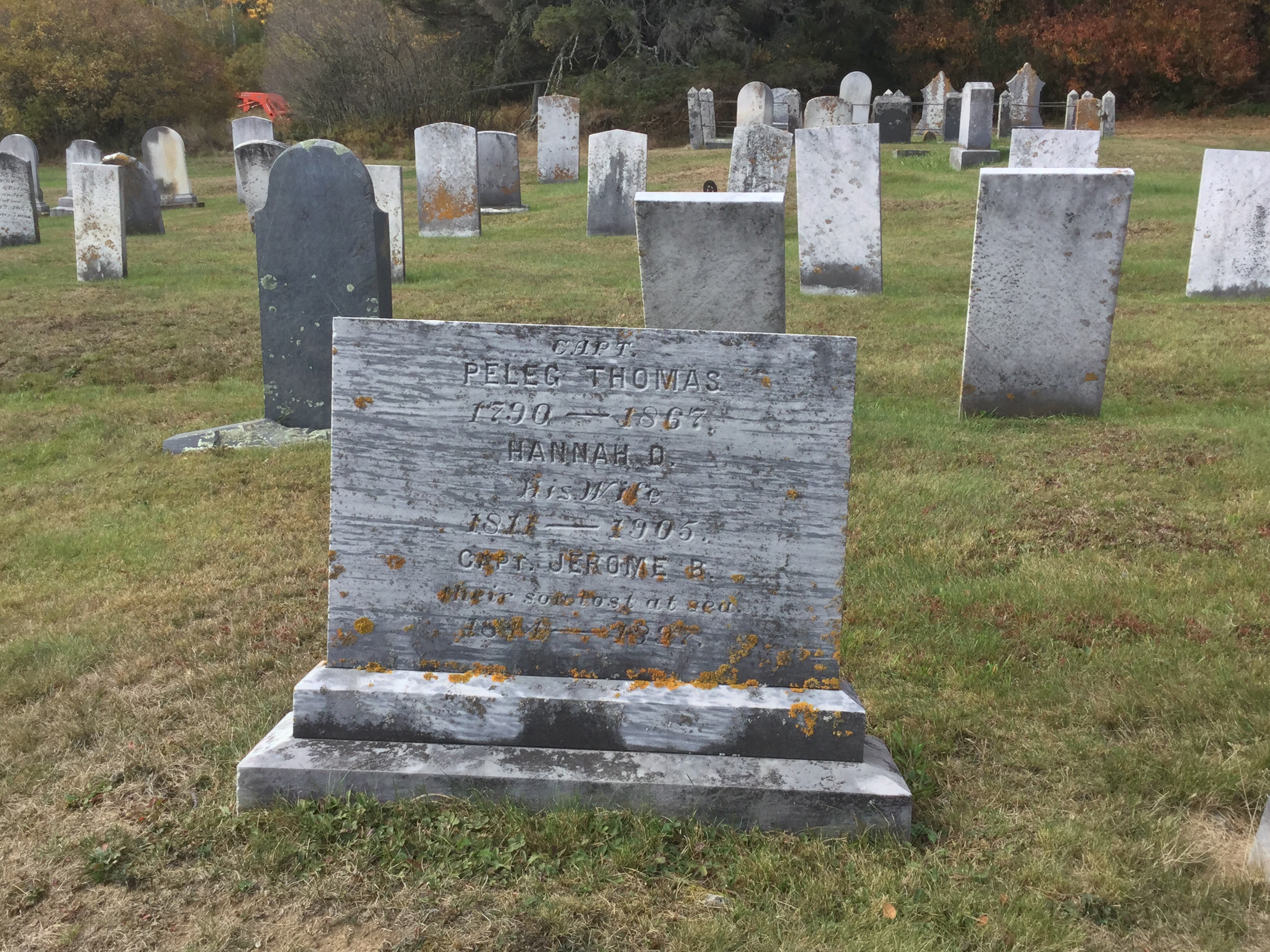
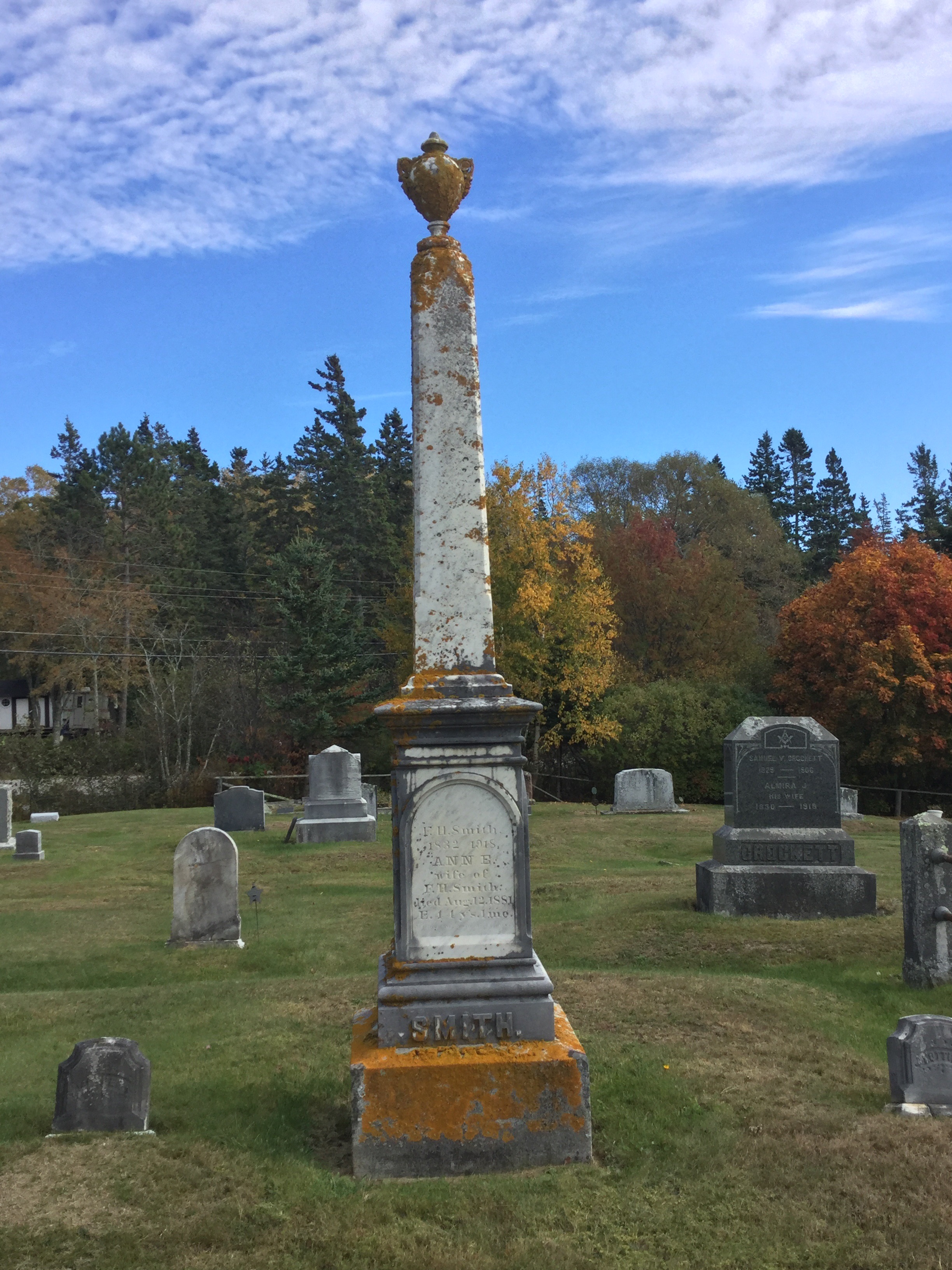
North Haven Island has history. We visited a cemetery where most headstones dated to the early or mid 1800’s and many were lichen encrusted. Some graves had markers indicating which war the entombed was a veteran of. Some were WWI but most were Civil War, the War of 1812 and Revolutionary War veterans.
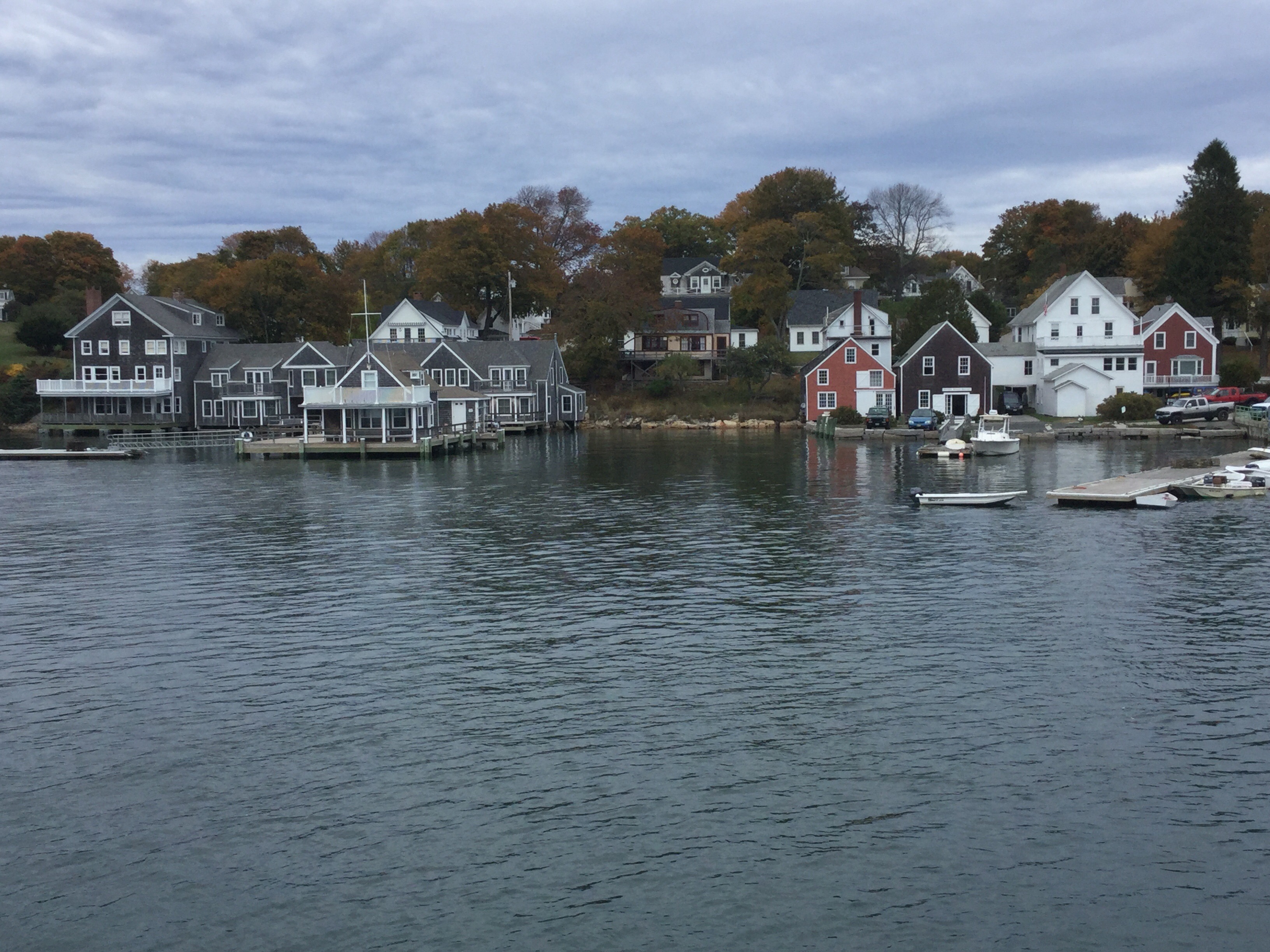
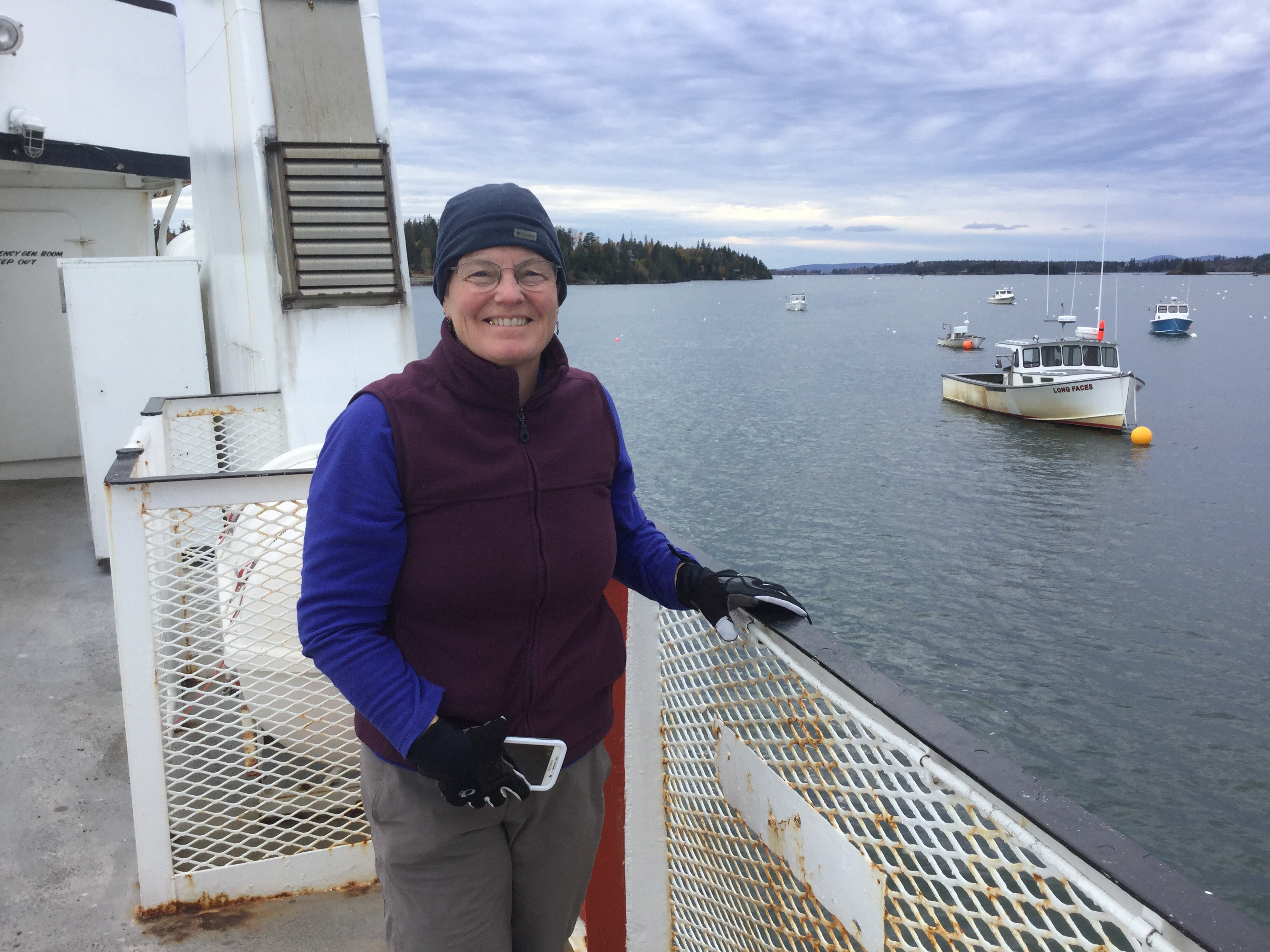
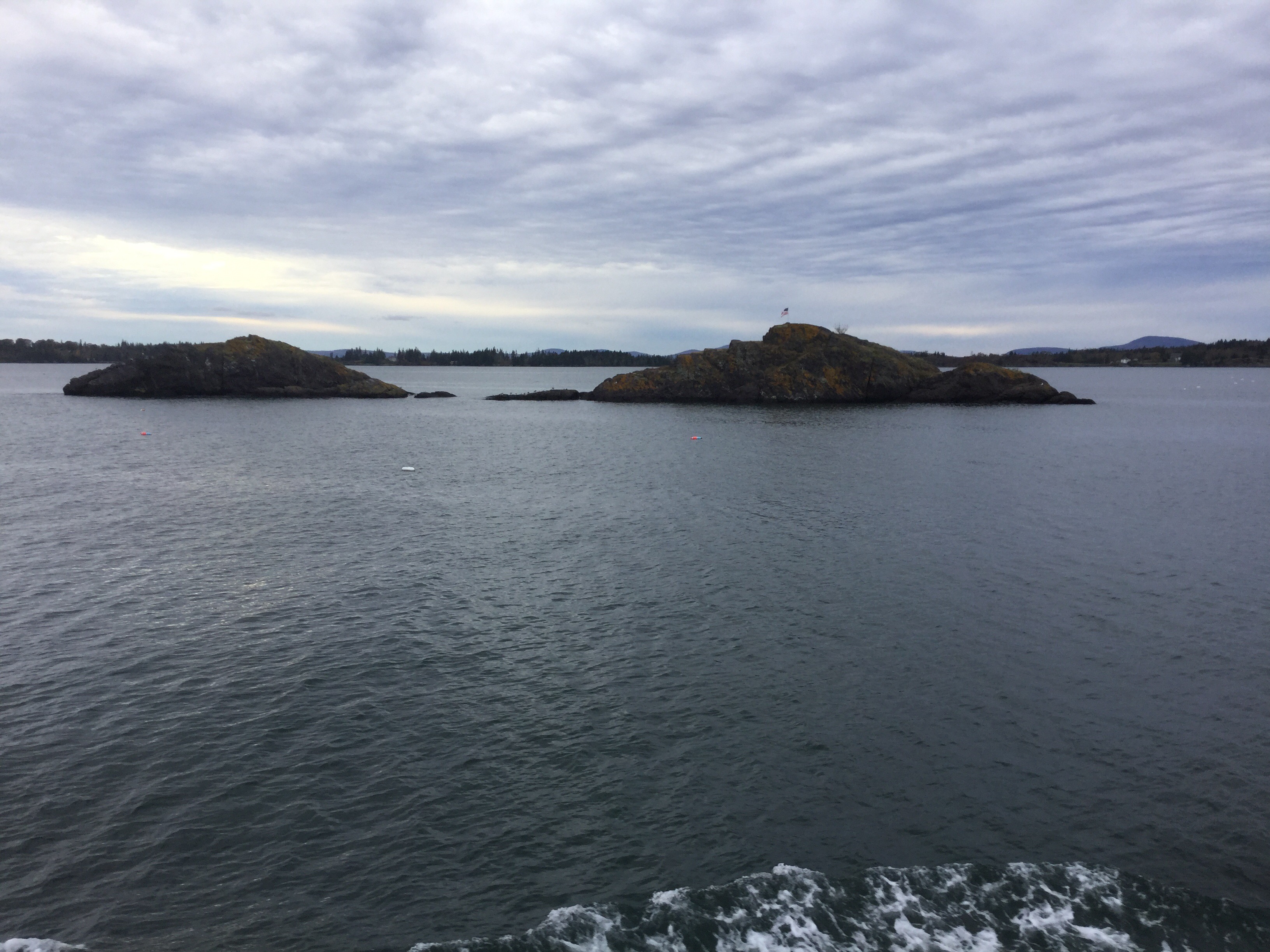


The ferry trip back was great with a storm on the way. The temperature must have dropped 10 degrees during the day, fall weather is in the air. Tomorrow we drive to Hull, MA and Providence, RI to spend time with Dorothy’s aunt and cousins for the remainder of our trip.
We arrived in Hull, Massachusetts after a 5 hour drive through a rainy rural Maine finally weaving through what we perceive as intense traffic in downtown Boston…oh shit …. there is a toll bridge ahead that doesn’t take cash …..exit ASAP and hit the back streets…..
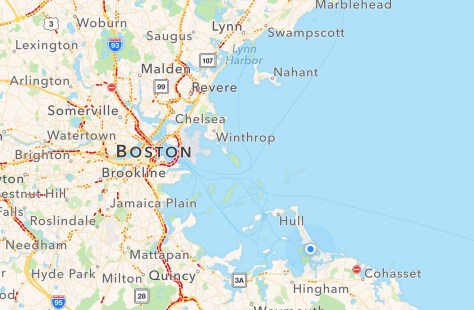
Our destination was quite peaceful and the perfect place to undergo some intense beer therapy to recover from the drive. The blue dot is where we are and the red dots show the traffic we crawled through. Hull consists of a peninsula in the southeast part of Boston Harbor that separates Hull Bay from the Atlantic. Most of Hull consists of hills, technically drumlins (large piles of sand and gravel deposited by glaciers) that are connected by sand spits (tombolos). The resulting peninsula is located southeast of Boston Harbor and defines the eastern edge of Hull Bay.
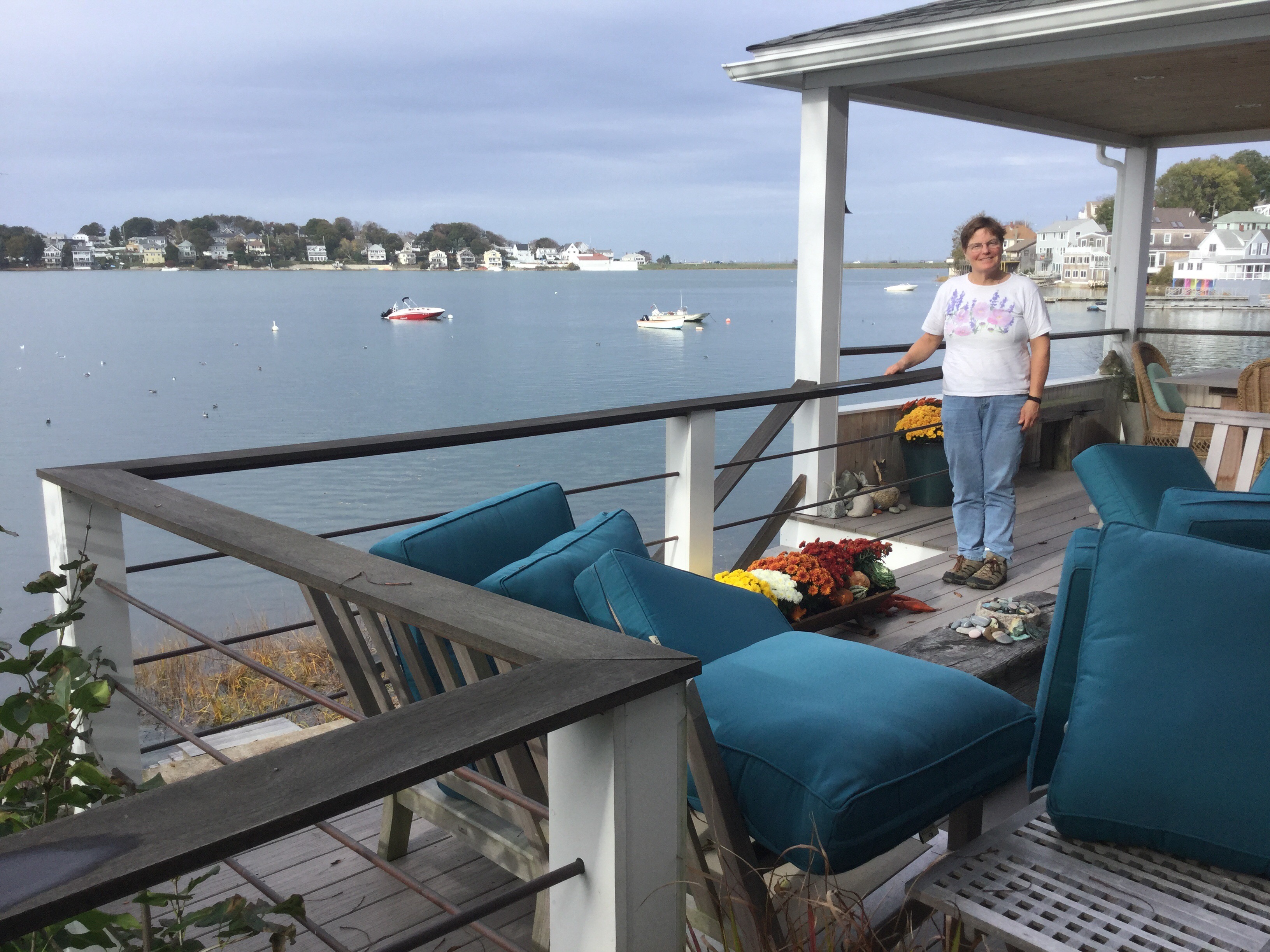
The lower lying portions of Hull are susceptible to erosion from ocean waves as well as bay waters. With predicted rates of sea level rise the lower lying areas may not be a great long term investment but if Trump gets elected that will all go away and cease to be an issue. Fortunately the home is located on the bay side of the spit with a sea wall that could be fortified when Hillary wins. Here are a couple of photos from and of the house.
The Atlantic side of the spit has heavy use and is developed beyond anything I’ve ever seen. It was quiet when we visited today but I can only imagine what it was like in August. Nantaskit Beach is considered one of New England’s finest, playground of the elite in bygone years. There are lots of rules (we tried to not break too many) to control the masses during the busy season, fortunately no one was there. Obviously there is significant erosion potential during hurricanes and winter storms. Portions of the spit do not have a sea wall, and homes are separated from the 10 foot tall foredune by only 15 feet of pavement. It reminds me of many older homes on the Central Oregon Coast….. when they flood and get damaged they just get rebuilt.


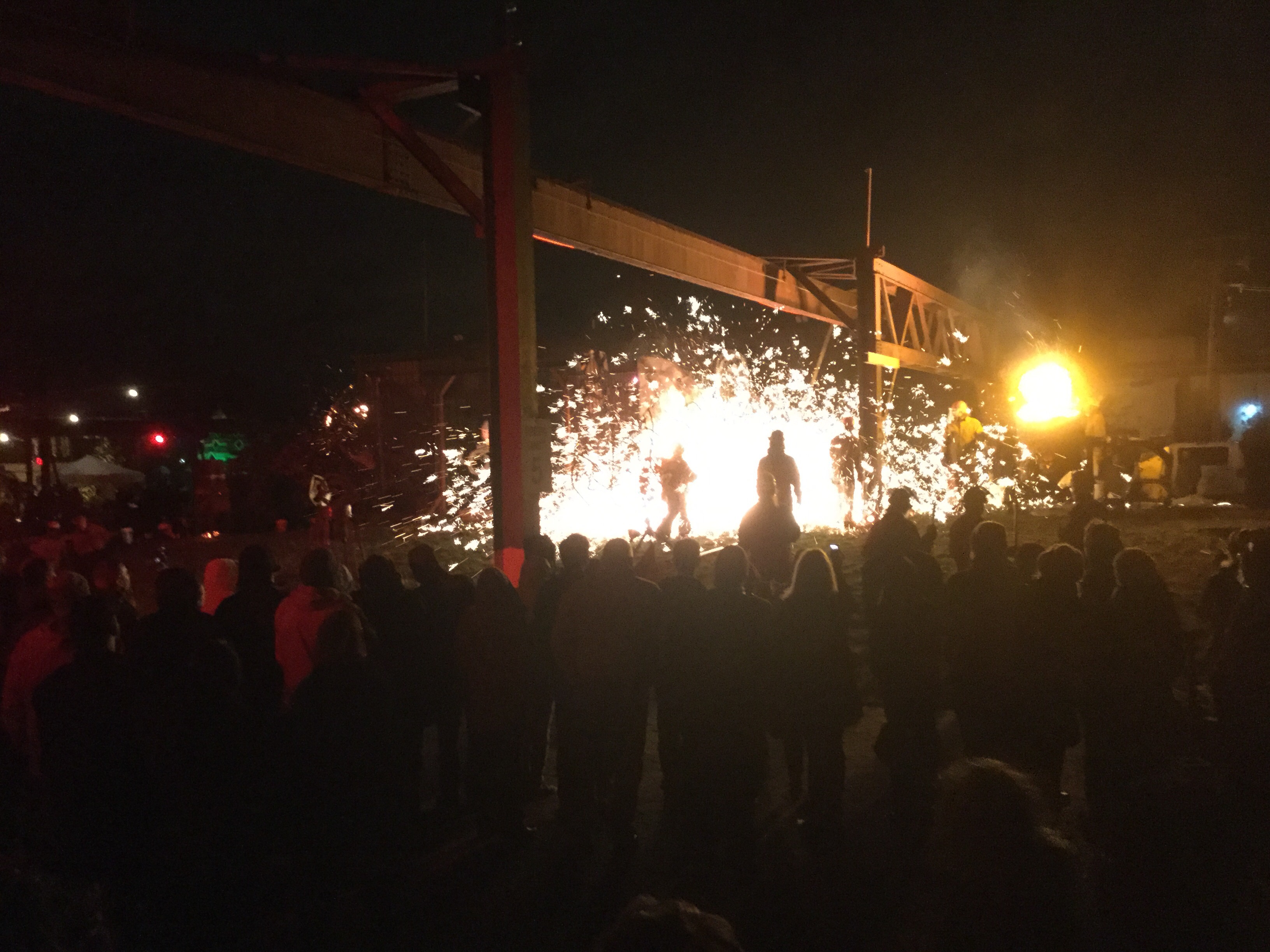
From Hull we met up with cousins and went to the 11th annual Halloween Iron Pour at The Steel Yard in Providence RI. There were about 1200 people there taking in the festivities. The site is an old steel yard that has been turned into a fabrication facility that trains workers, offers welding classes to the community and workers fabricate products to sell to various municipalities. The event had a band, several food and beverage booths and lots of energy. The focus of the event was a furnace of molten iron. Workers would periodically take molten iron and throw it to make spectacular showers of Sparks., pour it into a sand mold and eventually pour the remainder onto the ground. the Dorothy’s cousin David used to be on the board of directors and knew a few hundred of the people attending. His daughter Margo also works there which made it very special.
On Sunday we went to Boston and Cambridge to watch Dorothy’s cousin John’s son Timothy row with his crew team. The annual event on the Charles River is the largest crew regatta in the world. While there we walked around Harvard and downtown Boston. The cemeteries were amazing with slate headstones dating back into the 1600’s. Many of the older headstones had elaborate carvings. We saw the graves of Samuel Adams, John Hancock, Paul Revere and Mother Goose. Boston also has lots of public art.


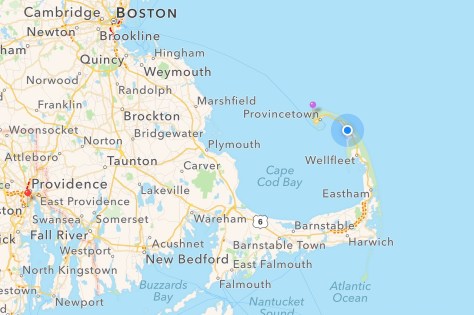
Before returning to Providence we went out to Cape Cod which is a large sand spit. Most of the spit is private and developed into residences but a large part near the end is public land managed by the National Park Service as Cape Cod National Seashore. Provincetown is close to the end of the spit, has large variety of homes and businesses, minimal free public parking and is packed with tourists, tourist traps and tourist lodging.
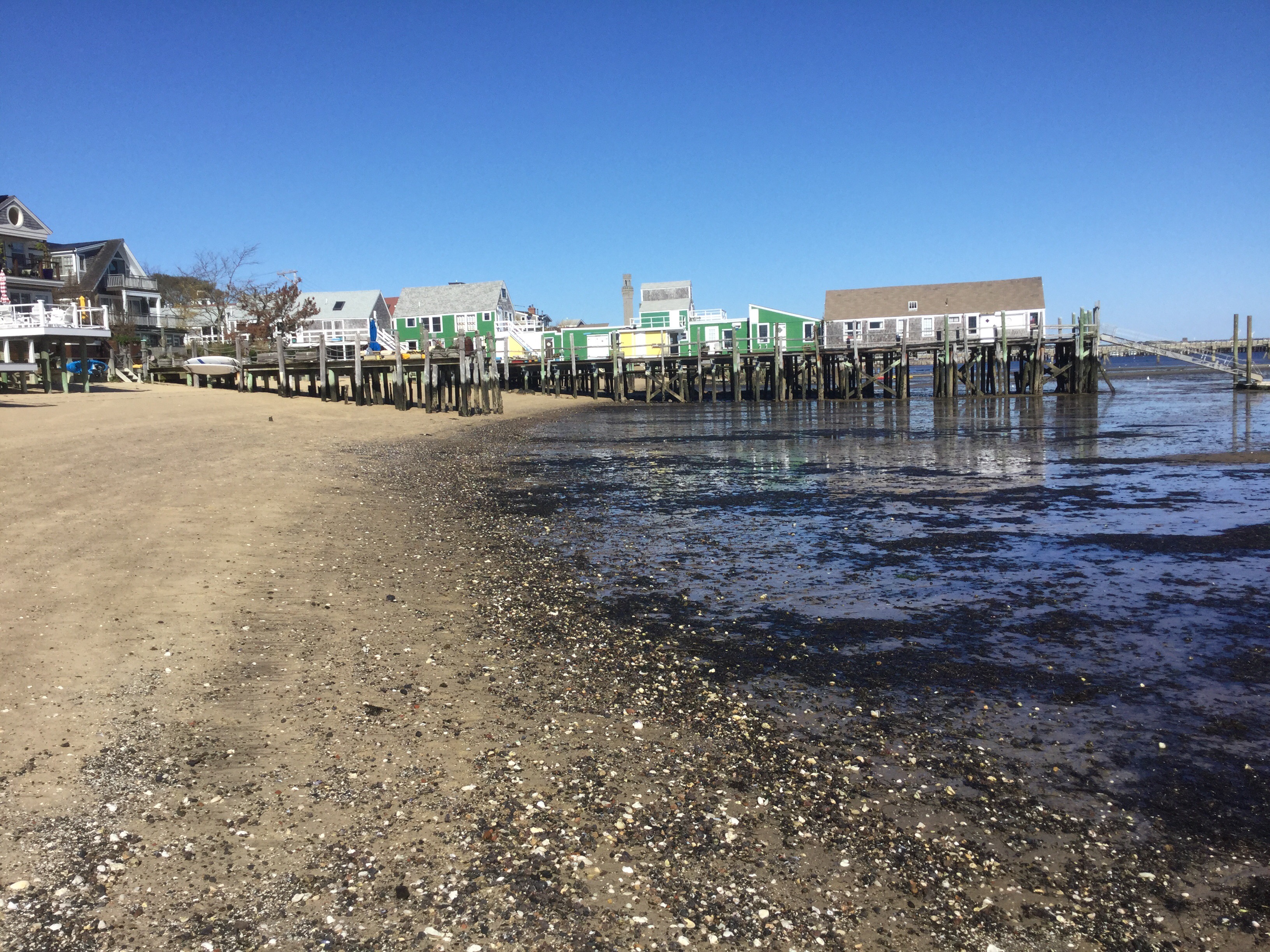
Cape Cod National Seashore consists of a large area of vegetated sand dunes bordered by beaches that are heavily visited in the summer. The beach and foredunes are windswept and no doubt receive significant wave erosion during the winter storms. Only the National Park Service would be foolish enough to waste money maintaining a paved road between the foredune and active beach all in the name of providing public access to those unwilling or unable to get out of their vehicles and walk a few hundred yards across the dune to see the ocean, at least they abandoned the parking lot.


Foredune erosion can be extreme with intensive human foot traffic, in some areas the park service has covered the path breaching the foredune with a plastic mat extending all the way to the beach.


Most of the beach outside of the National Seashore is very private with some houses in a hazardous location on the beach dug into the foredune. One that was run down was even for sale, we resisted……


The last couple of days were spent in Providence visiting Dorothy’s aunt and cousin. It was wonderful spending time with family and enjoying the eclectic cuisine.

 ronsonn